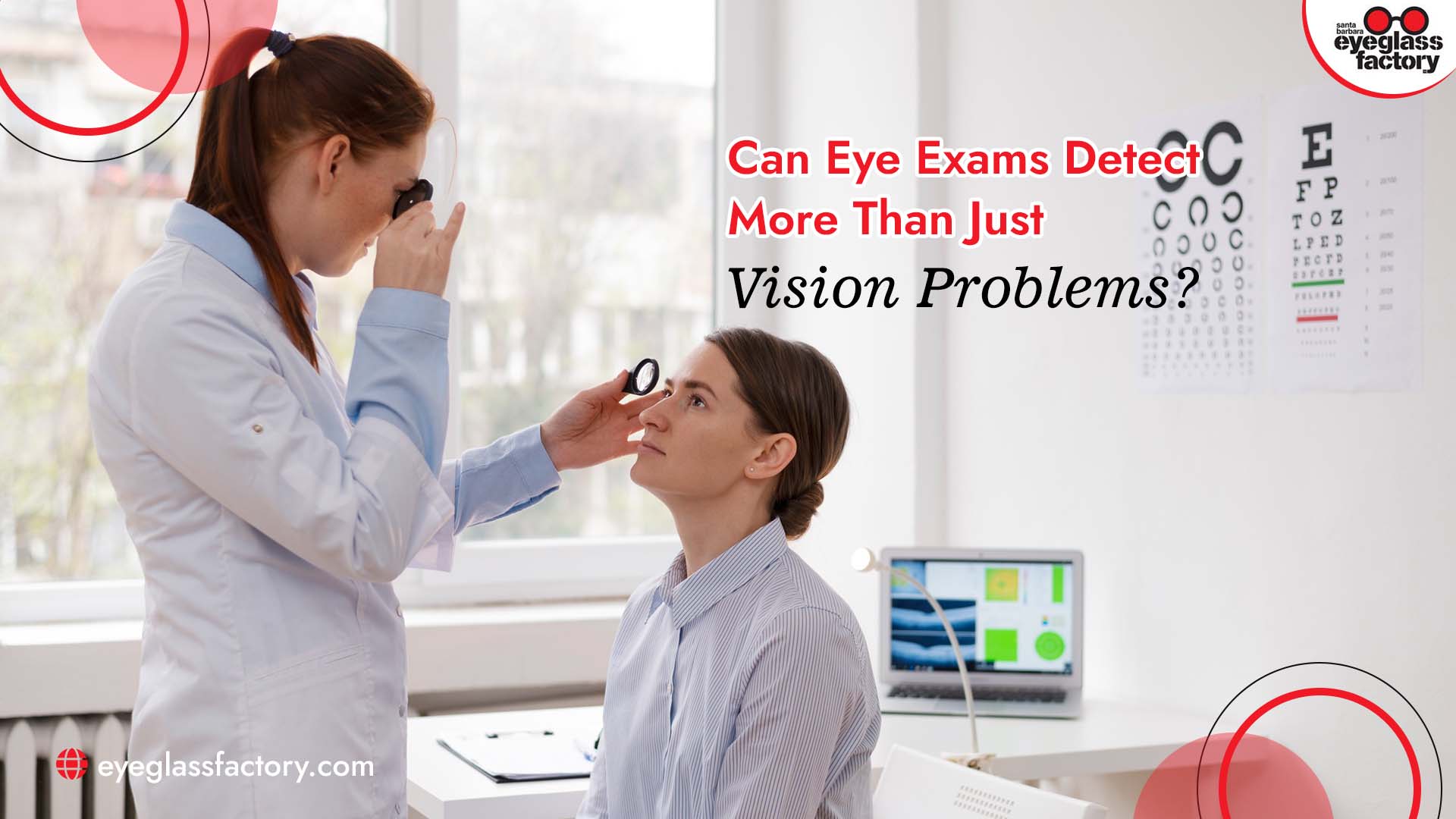
Many people wait until they have blurry vision or need a new prescription before scheduling an eye exam. But a full eye exam is about much more than just testing your vision. Your eyes could give you a clue about your overall health in many cases so that medical professionals can identify these underlying problems before any visible symptoms occur.
The eyes provide a rare window into the body because they contain blood vessels, nerves, and other tissues that can be directly viewed without invasive surgery. From diabetes and hypertension to neurological disorders or autoimmune disease, even in routine examinations, eye care professionals can see the preliminary signs of serious health conditions.
The way our eye exams detect health problems gives you a greater appreciation for regular eye care, and that is just as important to your well-being as seeing.
How Eye Exams Reveal More Than Vision Problems
Your eyes are linked to countless systems in the body, including circulatory and neuro-immune. In a full eye examination, an ophthalmologist evaluates the retina, optic nerve, and blood vessels as well as adjacent tissues.
The retina is the only organ more easily seen directly than most, allowing doctors a view of blood vessels and nerve tissue. Changes in these structures may provide a warning signal for health issues prior to those becoming symptomatic outside of the brain.
That is but one of the main reasons eye exams detect health problems that frequently fly under a general medical exam’s radar.
A thorough eye health evaluation can reveal abnormalities that prompt further medical testing and potentially life-saving early intervention.
Health Conditions That Eye Exams Can Detect
Multiple systemic diseases cause ocular symptoms long before the generalized signs and symptoms appear.
Diabetes
One of the most frequent examples of diseases diagnosed through eye examinations is diabetes. Both types of diabetes can damage the small blood vessels in your retina and result in diabetic retinopathy.
Eye care professionals may notice the following:
- Retinal bleeding
- Swollen blood vessels
- Fluid leakage
- Changes in retinal tissue
Sometimes people discover they have diabetes when unusual features are noted during a routine eye exam.
High Blood Pressure
High blood pressure can quietly sneak up on you. High blood pressure changes affect not only organs such as kidneys and the heart but also the fundus of the eye because it contains many small retinal vessels.
Signs may include:
- Narrowed arteries
- Retinal bleeding
- Swelling of the optic nerve
Patients are frequently presenting for further medical assessment following these findings.
High Cholesterol
You may have high cholesterol if you notice yellowish deposits or obstruction of some blood vessels in the retina. Keywords: beauty, eye exam, eye tests, imaging The initial examination may identify vascular changes that have a potential association with the risk of cardiovascular disease.
Neurological Conditions Eye Exams May Reveal
Here is some information about eye examinations and how they can identify certain neurological disorders, as the eyes are very closely linked with the brain & nervous system.
Brain Tumors
Papilledema is swelling of the optic nerve, often due to increased pressure inside the skull. This may be caused by:
- Brain tumors
- Head injuries
- Neurological disorders
Multiple Sclerosis (MS)
Optic neuritis, or inflammation of the optic nerve, is typically one of the first manifestations in multiple sclerosis.
Symptoms may include:
- Blurred vision
- Eye pain
- Reduced color perception
Stroke Risk
Variations in retinal blood vessels may be an early sign of vascular concerns that elevate the chance for stroke.
These examples demonstrate how eye exams detect health problems far beyond simple vision correction.
Autoimmune and Inflammatory Diseases
In all autoimmune disorders you have inflammation, which involves the eyes as well.
Rheumatoid Arthritis
Rheumatoid arthritis pads common rheumatoid arthritis data:
- Dry eyes
- Eye inflammation
- Corneal complications
Lupus
Results We identified retinal blood vessel involvement as well as vision-related symptoms in systemic lupus erythematosus.
Sjögren’s Syndrome
This autoimmune disorder often leads to moderate dry eye symptoms and could be diagnosed during an evaluation of the eyes.
Because eye-related symptoms often occur prior to a formal autoimmune diagnosis, they may be the first clue that something is amiss.
Eye Conditions That May Signal Serious Health Issues
Certain eye diseases in themselves indicate a wider health problem.
Glaucoma
If not treated in time, glaucoma destroys the optic nerve and can cause permanent loss of vision!
Retinal Vein Occlusion
Blocked retinal veins may indicate:
- High blood pressure
- Diabetes
- Cardiovascular disease
Age-Related Macular Degeneration
Macular degeneration, although an eye-related condition, is mostly impacted by genetic, lifestyle (smoking), and health factors.
Many of these conditions are among the most common diseases detected through eye exams, reinforcing the importance of routine screenings.
Advanced Technology Helping Detect Health Conditions
Early detection of health issues has become much easier with modern technology in eye care.
Optical Coherence Tomography (OCT)
OCT generates ultra-high-resolution cross-sectional images of the retina and optic nerve to assist in identifying
- Glaucoma
- Macular degeneration
- Retinal swellingGlaucoma
- Macular degeneration
- Retinal swelling
Retinal Imaging
This enables doctors to take high-resolution retinal photographs, which can then only be used as a monitoring measure for visible changes in the blood vessels from one visit of care through time and thus disease progression, for example.
Visual Field Testing
This measures peripheral vision and detects neurological abnormalities, as well as damage to the optic nerve.
With the advent of these technologies, eye exams detecting health problems before they progress to serious symptoms have never been easier with eye exams.
Who Should Get Routine Eye Exams?
While everyone should have regular eye exams, some people especially need to be proactive about it.
Higher-risk groups include:
- Adults over 40
- Individuals with diabetes
- People with high blood pressure
- People with a family history of eye disease
- Smokers
- Individuals with autoimmune disorders
Get a regular comprehensive eye checkup, which also helps in keeping track of your eye health and overall well-being.
How Often Should You Get an Eye Exam?
How often does one measure the cholesterol level? It depends on age, risk factors, and general health or well-being.
General Guidelines
Children and Teens
- By suggestion of pediatric eye care professionals
Adults Ages 18–39
- Every 1–2 years
Adults Ages 40–64
- Every 1–2 years, or sooner as directed
Adults 65 and Older
- Annually
People who are diabetic or at risk for glaucoma as well as those with chronic medical conditions may need to be seen more often.
The benefits of an eye checkup over a lengthy period go past simply having the option to see.
Benefits of Early Detection Through Eye Exams
One of the main benefits of routine eye care is you can get a thorough evaluation that will help in early identification.
Benefits include:
- Earlier treatment options
- Reduced risk of vision loss
- Better management of chronic diseases
- Improved overall health outcomes
- Lower healthcare costs over time
Early detection of health problems through eye exams allows for timely interventions before serious complications arise.
For the most part, an early intervention keeps them alive as they get used to both vision and general well-being.
Signs You Should Schedule an Eye Exam Immediately
In addition to having routine exams, some symptoms need to be checked immediately.
If you appear with:
- Sudden vision loss
- Flashes of light
- New floaters
- Double vision
- Persistent eye pain
- Severe headaches with visual changes
- Sudden blurred vision
These signs and symptoms can be alerts for critical eye or systemic health conditions, medical emergencies in which you should seek care immediately.
Conclusion
A lot of people consider eye exams nothing more than getting their prescriptions updated, but such a misconception is an understatement and far from the truth. Eye examinations today reveal much more than the health of your eyes; they can disclose systemic conditions before you even have symptoms.
Eye exams detect health problems that have a direct impact on our lives and continued good health, from diabetes and hypertension to an array of neurological and autoimmune disorders. Eye care is a vital component of preventive healthcare, which includes routine screenings, new diagnostic technology, and thorough evaluations.
Of the many things that you do not realize can discover something as serious as hypertension or diabetes, scheduling a regular health screening for your eyes is one of the simplest yet most successful ways to protect yourself through keen prevention strategies against any major disruption related to vision and life.
FAQ Section
Does an eye exam reveal diabetes before symptoms occur?
Yes. Symptoms of diabetes may not occur until eye doctors can find evidence that patients have diabetic retinopathy or damage to blood vessels.
Are eye doctors able to determine if you have high blood pressure?
In many cases, yes. Retinal blood vessels allude to eye health evaluation of our eyes that can show when we have high blood pressure.
In what way can an eye exam identify a neurological condition?
During an eye exam, physicians can look at the optic nerve and visual pathways for abnormalities that could indicate disorders such as multiple sclerosis or brain tumors or higher intracranial pressure.
What diseases can be detected in a retinal examination?
Several diseases detected through eye exams include diabetes, hypertension, high cholesterol, glaucoma, retinal vein occlusion, and certain neurological disorders.
How frequently should adults receive a comprehensive eye exam?
Generally, most adults need to have a comprehensive eye checkup every one to two years depending on their individual needs.
Eye exam Can an eye test prevent serious health problems?
Absolutely. One of the main advantages of an eye checkup is that it aids in early detection and treatment, taking remedial action before complications become serious.